
cut costs
✷
cut costs ✷
CUT THE COST OF LIVING
The Problem
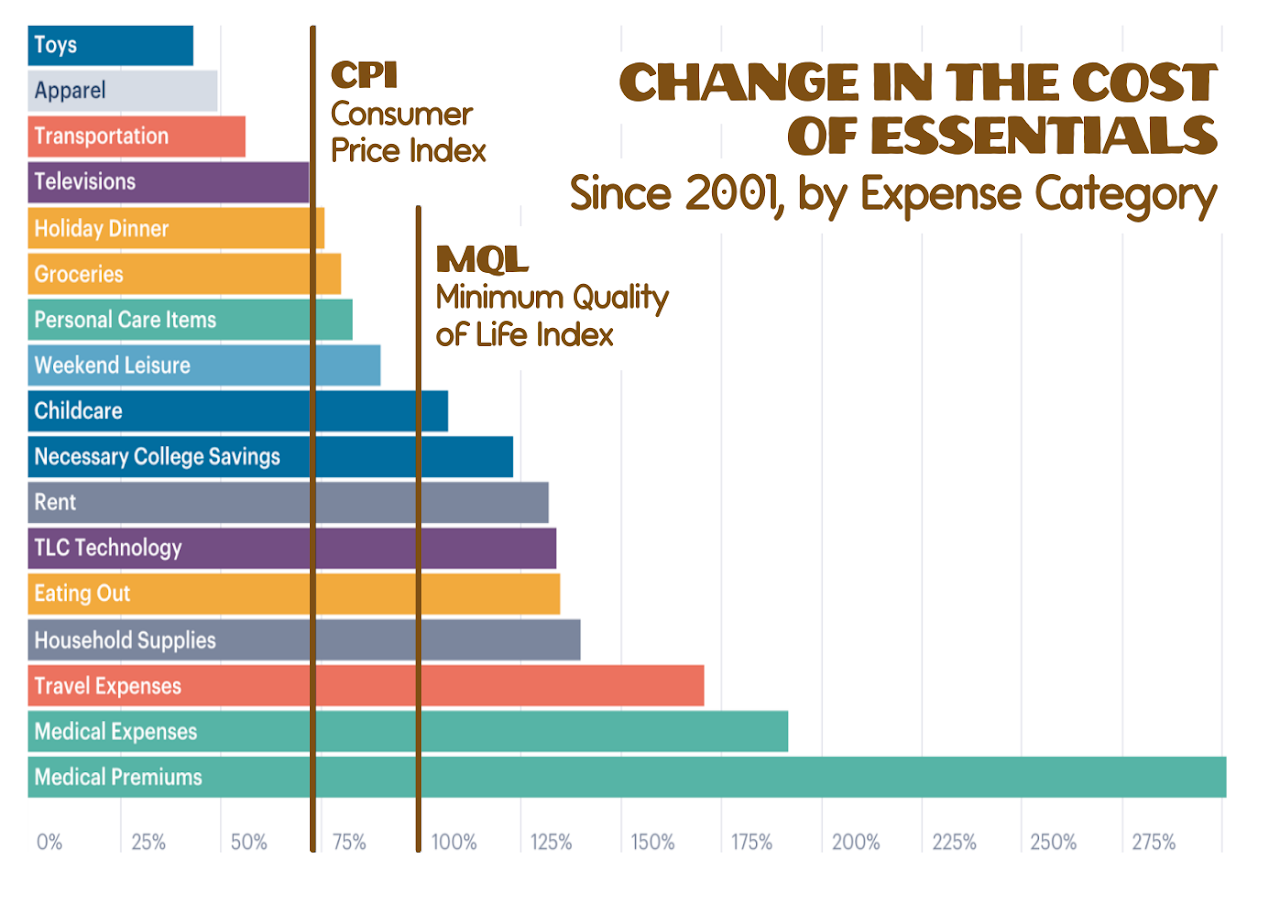
The cost of essentials has outpaced inflation. Groceries, childcare, college, rent, medical expenses, and medical premiums have all increased in price more than inflation over the past few decades. (Source)
According to a poll conducted during the recent government shutdown, only 22% of Utahns said they “can comfortably cover expenses and save,” 51% said they were living paycheck to paycheck, and 25% said they were struggling to cover even basic expenses. (Source)
To me, these numbers are apocalyptic.
① Cut the Cost of Housing
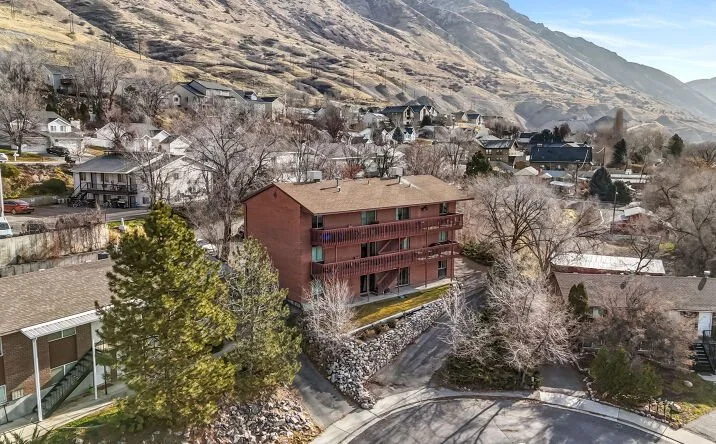
The number one issue raised with me is the rising cost of housing. Utahns’ ability to afford homes is at an all-time low.
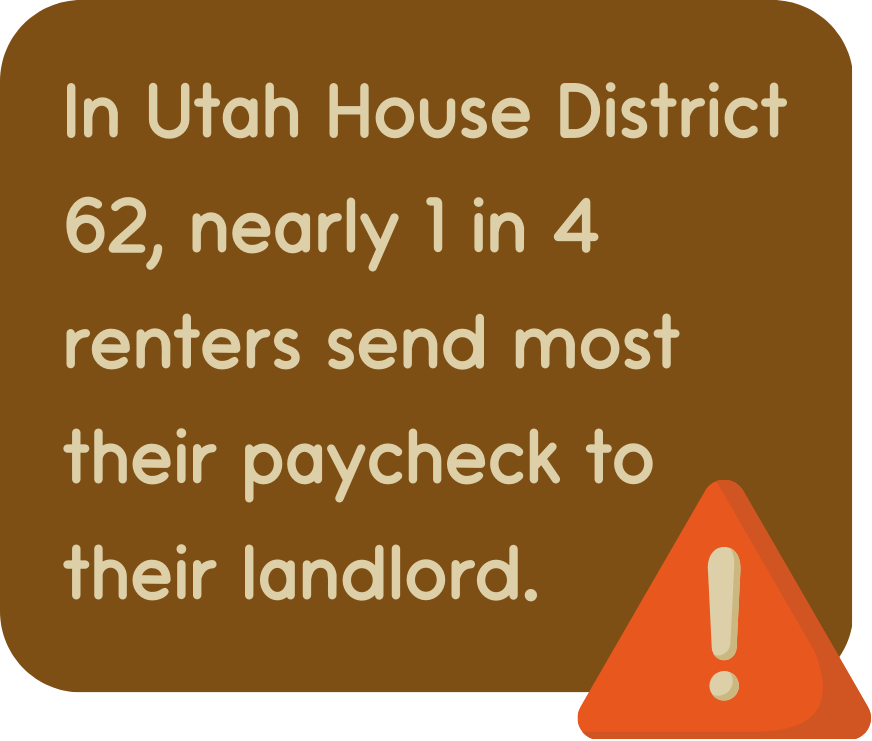
In 2024, average rent surpassed 30% of average income in Utah, with the St. George metro area (33.3%) being less affordable than New York City (33.1%). (Source)
My plan will:
① provide more starter homes that young families can afford to buy or rent and
② incentivize infill instead of expensive, unsustainable housing development on the edges of town or in rural areas.
-
I will work with the Governor to declare a Housing Emergency and free up funding from Utah’s rainy day fund.
The legislature must stop stalling. We must do what it takes to handle the housing crisis immediately.
Declaring a housing emergency will allow for swift enactment of new housing policy, rather than dragging out the needed change over years.
-
Everyone needs to be involved in addressing this housing crisis. We need to build a lot of housing, but not by subsidizing big business to come in and build lifeless townhomes.
The strongest towns are built by the people who live in them. That is why I want to give everyday Utahns a real chance to compete with large corporate developers.
I plan to use emergency funding to engage ordinary Utahns in the work of building their communities.
We will do this by using a points system (see page 9 of my platform). The more points you get, the more help you get. This help may include: mentorship, low-interest loans, deferred loans, or expedited permitting in participating cities.
-
Some cities have kept us from supplying what everyone wants in the housing market: a place to start.
It is time for zoning reform to fix that. I hate red tape. We need to make it easier to, say, convert a single-family home into a duplex, build a backyard cottage, or build starter homes to get more affordable housing units on the market.
I will fight to reform zoning ordinances to give everyday Utahns more freedom to develop housing.
When I talk about building more housing, I am not talking about high-rise apartments in the middle of the Joaquin neighborhood. I’m talking about property owners who finish their attic so another family can live upstairs.
These are small changes that can radically improve the housing market in Utah.
Legalizing affordable housing will allow the market to better meet the demand for housing. It will also simplify rules, making incremental development by members of the community more feasible.
-
A couple of years ago, I couldn’t afford a place of my own, so I tried to live with a few friends. I quickly found out there were rules that made that impossible. Cities limit how many roommates you can have!
I will fight to replace arbitrary occupancy limits with health and safety standards, enabling renters to band together to afford housing.
This way, a 5-bedroom home in Provo can fit more than the previously allotted three people. This policy change will instantly increase the housing supply and give low-income individuals a chance at decent housing.
Legalizing roommates will free up available space to house individuals, rather than limiting housing based on the type of residence. It will provide opportunities for people to work together to afford rent.
② Cut the Cost of Food
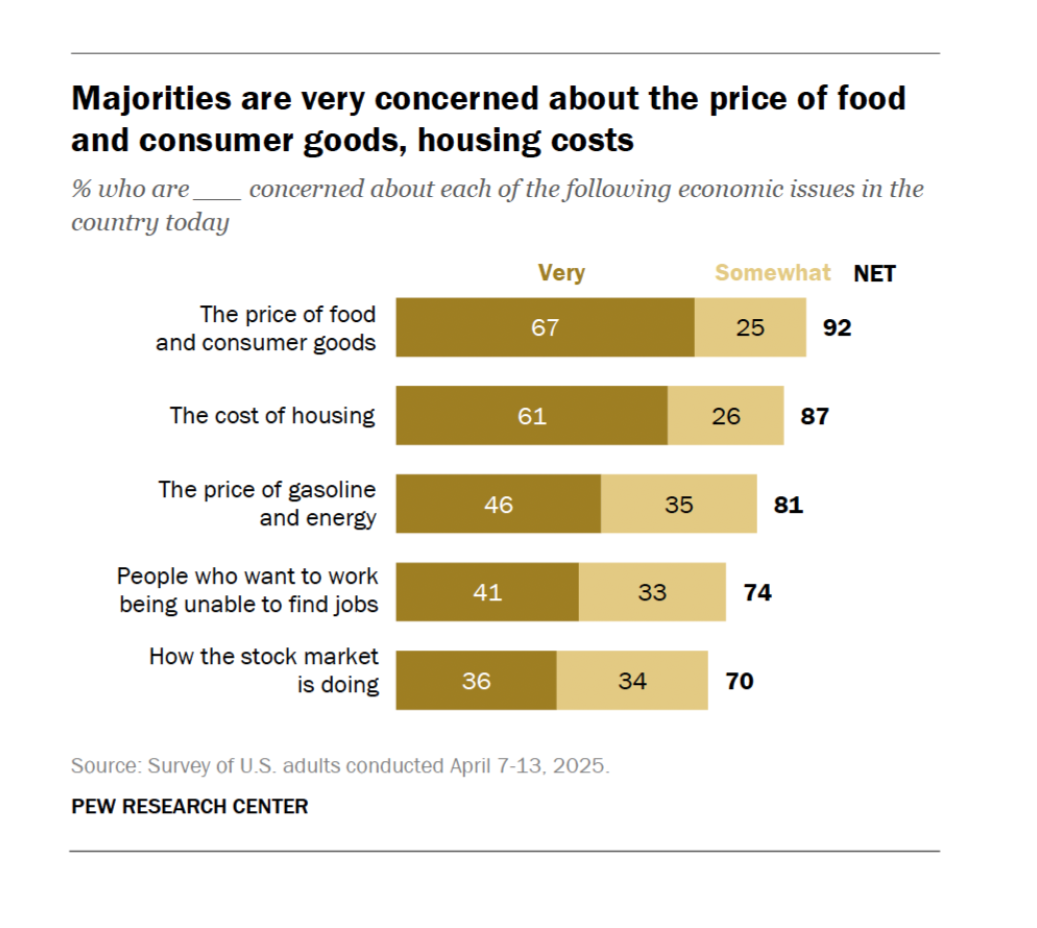
Since the pandemic, grocery prices have increased by almost 30%. It’s no wonder that 92% of those surveyed cited the price of food and consumer goods as a concern.
I will do what it takes to bring down food prices. I will fight for good ideas, regardless of where they come from.
My plan should reduce grocery bills by at least 11%*, reducing the burden on working families.
*5% from free school meals, at least 3% from reduced taxes, at least 3% from reducing food loss-
The Utah Board of Education estimated that free school meals would cost up to $160 million per year, which would be about 0.5% of the total Utah budget. The total school meal debt in Utah was estimated at $2.8 million in 2024.
I will fight to forgive all school meal debt and establish free school meals for every child in Utah.
This simple change will affect every family in Utah and be essentially negligible in the overall budget.
Providing free school meals helps families afford groceries, feeds more children, relieves school administration burdens, and may even improve test scores, attendance, and reduce bullying. (Source)
-
The supply chain is not perfect. More sellers need to connect with the right buyers. While a lot of waste (14% of food) happens during the distribution and consumption of food, more food (16% of food) is lost “upstream” or during harvest and processing. When food is lost, suppliers have to increase prices to make up for the loss. That increase is passed along to the next step until it reaches us. Waste is a symptom of an inefficient supply chain, and a good place to start when trying to lower prices.
I will invest state resources to improve supply chains by strengthening infrastructure, coordination, and transparency.
I will support local producers and connect them with nearby buyers, which may reduce transport costs and food waste while increasing competition.
-
Covered under Cut Taxes for Working Utahns, I will fight to remove taxes on food and other essentials such as groceries, household cleaning products, and medical products.

③ Cut the Cost of Healthcare
Utah has the 15th-highest per capita growth in healthcare spending. The cost of our healthcare is rising 3 times faster than family income, and in 2023, 86% of Utahns polled reported worrying about affording healthcare in the future. (Source)
Affordable healthcare is the core of affording life. Nobody can live without reliable access to healthcare.
-
Many of us avoid seeing a doctor because we worry about the mystery bill that comes in the mail a few weeks later. When polled, only 17% of Americans said they knew the cost of treatment ahead of time. 2021 Hospital Transparency rules require hospitals to post average costs for services; however, estimates suggest that 1 in 3 Utah hospitals do not comply with these rules.
I will fight to pass our own Hospital Price Transparency Rule. I will also fight to require providers to disclose administration costs so we can know precisely where our money is going.
Enforcing price transparency will allow for informed choice. Knowing prices upfront will help patients shop for different doctors.
-
Utah’s 2018 Medicaid expansion has been successful in getting more people on health insurance, but the program still has problems. Additionally, the 2025 One Big Beautiful Bill Act (OBBBA) endangers health coverage for 77,000+ Utahns via Medicaid and ACA Subsidy cuts.
I will fight to expand Medicaid to combat the effects of these cuts.
I will also fight to streamline Medicaid enrollment, particularly for neglected communities, and make the program more efficient and user-friendly.
Medicaid expansion improves health outcomes, especially in rural communities, and may even save the state money through increased economic growth and a reduction in costs in other areas.
-
Competition helps stabilize prices in any market. Healthcare is no exception. Studies show that healthcare conglomeration is on the rise. In the Provo-Orem area, 72% of patients get treatment at one hospital.
Healthcare costs increase when market competition decreases. 35 states have passed laws to protect competition in the healthcare market, one way or another. Utah is not one of them.
I will fight for legislation that protects our healthcare from monopolization.
I will fight to support small health care and direct primary care facilities.
I will fight to create incentives for new providers to practice in rural and neglected urban areas, where they are most needed.
Increasing competition will provide Utahns with a broader choice of providers and should drive down costs.
④ Cut Taxes for Working Utahns
Utah is one of the highest-taxed states in the nation. At 9.35%, we are the 11th most taxed state. Working Utahns need a tax cut.
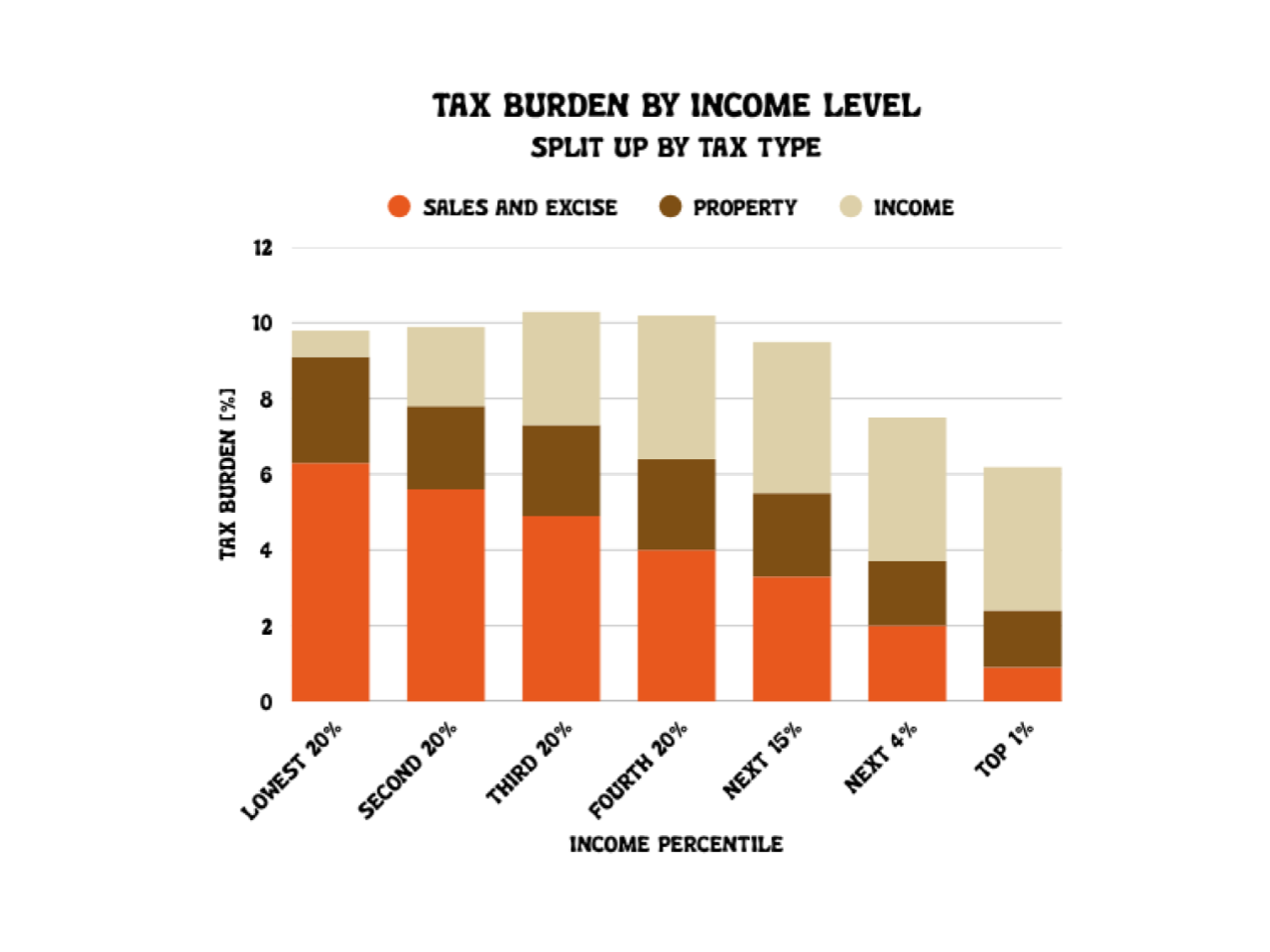
Currently, Utah taxes poor people more than rich people. The poorest 20% (with income under $30k per year) pay 9.8% of their income in state taxes. The wealthiest 1% (earning more than $772k per year) pay only 6.4% of their income in state taxes. My goal is to make taxes more equal across income levels and lower the overall average tax burden to 8%. That will place us in line with neighboring states like Colorado (8.4), Idaho (7.86), and Arizona (7.79).
-
Poor people spend more of their money on essentials than rich people. According to a review of BLS data by the Federal Reserve Bank of St. Louis, the lowest 40% of earners spend more than 95% of their income on necessities. Removing sales tax on these items will be life-changing for large swaths of Utah workers.
I will fight to eliminate all taxes on the following essential purchases:
Food
Hygiene Products, Menstrual Products, and Medications
Cleaning Supplies
Diapers, Wipes, Car Seats, Strollers, Baby Food, and Formula
Removing sales tax on essentials will reduce everyone’s tax liability. Because the poor spend more of their income on essentials, eliminating sales tax will mean they no longer bear such a heavy tax burden.
-
Utah currently matches 20% of the federal earned income tax credit and provides an additional child tax credit of $1,000 per child between the ages of 1 and 3. Both of these credits are nonrefundable, meaning your tax owed can be reduced, even to $0, but you won't see any of that money back as a cash refund.
These credits erase income tax liability for low-income families. The issue is that low-income families pay most of their taxes in sales tax and property tax. In addition to banning sales tax on essentials in Utah, I will fight to make both of these tax credits refundable.
Making these credits refundable is an actual return to Utahns’ pockets, rather than just a reduction in tax liability. This will alleviate excessive taxes for the poor.