save the gsl
✷
save the gsl ✷
protect
public lands
The Problem
Public lands are under attack. Influential people are determined to destroy pretty places. I believe that pretty places should stay as they are, which is why I am a strong advocate for conserving public lands.
Hunters, conservation groups, democrats, and even republicans have been united in pushing back against such attacks. Unfortunately, more will come, so we must do more to protect our lands and keep them in public hands.
Along with fighting these land sales, we need to protect public lands by committing to responsible stewardship, creating more state parks, investing in conservation efforts, and, of course, saving the Great Salt Lake.
① Save the Great Salt Lake
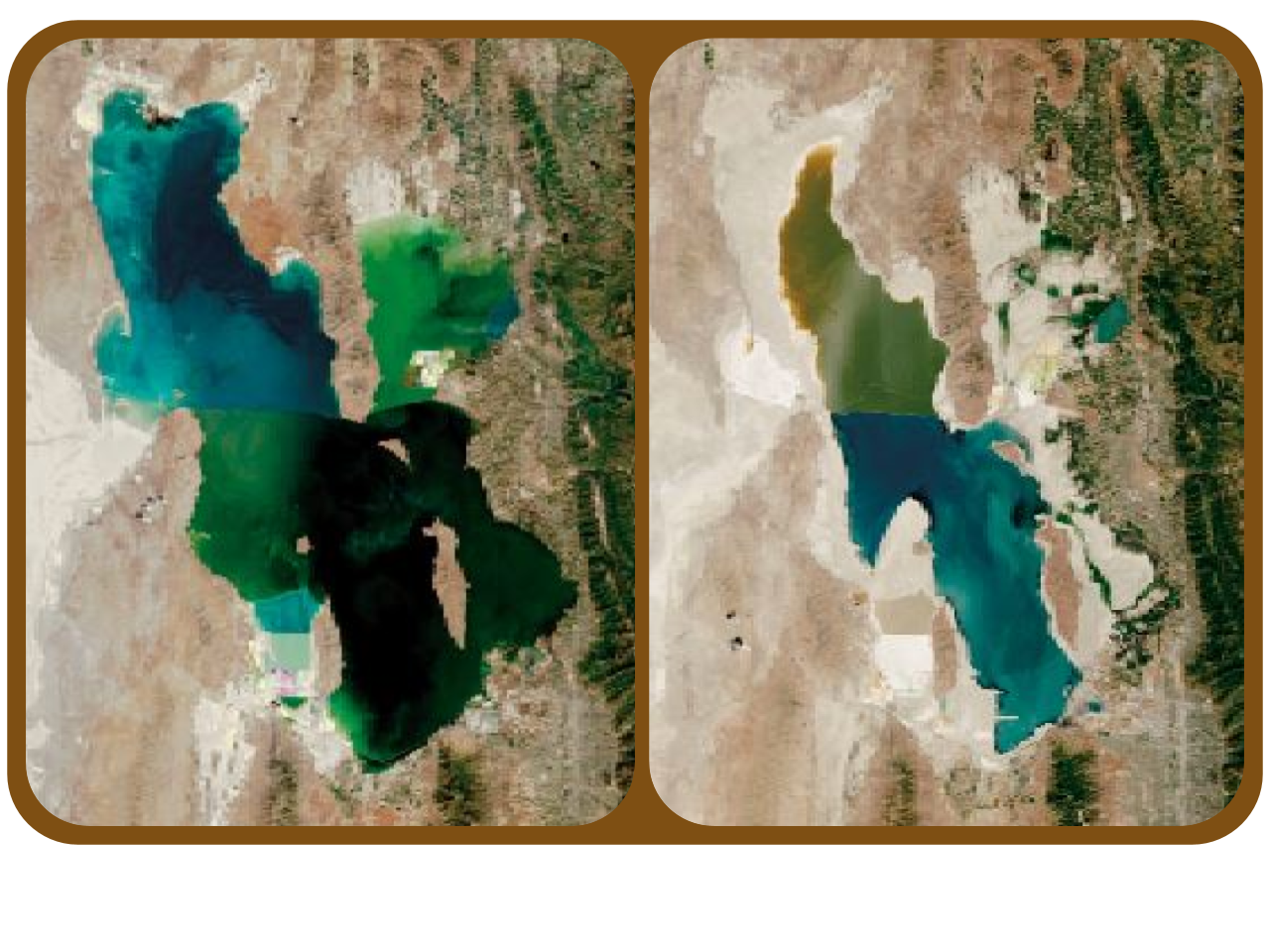
The Great Salt Lake is essential to the future of the Wasatch Front. It moderates the local climate, contributes to precipitation, sustains over 12 million migratory birds, generates $2.5 million in direct economic activity, and provides the “greatest snow on earth” to our many ski resorts.
Without the Great Salt Lake, thousands of square miles of lakebed would be exposed, sending toxic dust into the air and making it less and less safe to live in the Salt Lake Valley. Currently, 54.1% of the lakebed is exposed. If we don’t act fast, we risk complete environmental collapse and the economic collapse that comes with it. As Tim Hawkes, chairman of Great Salt Lake Artemia, put it: “Utah‘s economic health is tied to the health of the lake.”
At least 70% of our water is used by agriculture, yet much of the recent legislative efforts focus on reducing homeowners’ water consumption. While we ask citizens to conserve water, agricultural use accounts for the vast majority of water consumption and makes up less than 1 percent of the state’s GDP. One crop stands out as the culprit of water use:
Alfalfa and Hay make up 68% of Utah’s water use, but only 0.2% of Utah’s GDP; 29% of it is exported overseas.
This inefficient use of resources results from water laws that have not been updated to account for Utah’s rapid growth. Simply put, we are living beyond our means, and we need to cut back.
I will fight to get an emergency declared to save the Great Salt Lake
I will fight to modernize water policy to incentivize more efficient use of water.
I will fight to help farmers switch to less water-intensive crops and to more water-efficient watering methods.
I will fight to help the state secure more water rights for conservation.
I will fight to help canal companies reduce water loss in transport.
I will fight to maintain funding for water-wise landscaping programs and make the program more user-friendly.
I will fight to secure more funding for research to improve water efficiency and crop yields.
② Create more State Parks
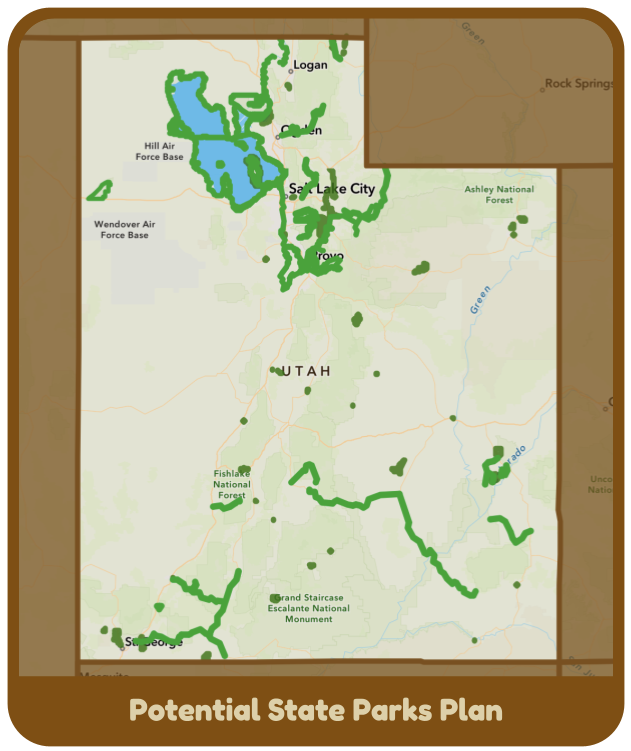
Oregon, roughly the same size as Utah, has over 250 state parks that protect almost all of its coastline. This didn’t happen by accident. Early in the 20th century, state leaders recognized that mining, logging, and pollution threatened Oregon’s natural beauty. Oregon chose to go through the hard work of creating many more state parks to secure public access to its natural beauty, prevent privatization, and conserve these areas long-term. Oregon serves as a model that Utah should follow.
I will fight to create many new state parks that will protect essential lakes, rivers, wetlands, canyons, scenic byways, and other nature areas.
Creating more state parks will protect natural resources that we rely on, secure public access to Utah’s natural beauty, and establish local legal authority to conserve and protect the land.